
 Johnson
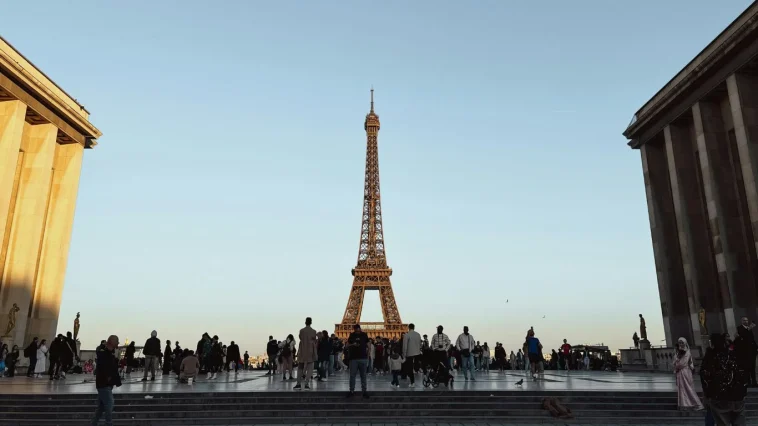
Your Ultimate 2025 Guide to Safety in the French Capital
From the glowing charm of the Eiffel Tower to the romantic echoes of a Seine River Cruise, Paris continues to shine as one of the most enchanting destinations on the planet. But with recent headlines touching on terrorist attacks, public safety, and petty crime, many are wondering:
👉 Is it actually safe to travel to Paris right now?
Whether you’re a first-time visitor hoping to explore the Louvre Museum, or a returning traveler drawn to the cozy cafés of Montmartre, understanding the current security situation, transport safety, and travel advisories is crucial to having a smooth, stress-free trip.
Let’s take a deep dive into what every 2025 traveler should know before planning their trip to the City of Lights.
✈️ Current Travel Advisories for Paris
The US State Department currently places France under a Level 2: Exercise Increased Caution advisory. This is due to potential risks including:
- Isolated terrorist group activity
- Heightened petty crime
- Public transportation incidents
Similarly, the UK Foreign, Commonwealth and Development Office (FCDO) urges travelers to stay informed, especially around large mass gatherings or protests in Paris.
👉 What does this mean for you?
You don’t need to cancel your plans—but you do need to stay vigilant, aware, and updated via official channels and email notifications from your home country’s embassy.
🚨 Understanding the Security Measures in Paris
France’s domestic security system includes the Vigipirate plan—a multi-level public alert system that is constantly adjusted based on real-time threats. Under this plan, you’ll often see armed soldiers and police officers near:
- Transportation hubs like Gare du Nord, Gare de Lyon, and Charles de Gaulle Airport
- Major tourist attractions like Notre Dame Cathedral, Palace of Versailles, and shopping malls
- Local and French government buildings
Additionally, Operation Sentinelle remains in effect, deploying military forces across Paris to protect citizens and tourists from potential terrorist attacks.
💡 Tip: While seeing armed guards might feel unsettling, their presence is a key reassurance of France’s proactive stance on safety.
👜 Crime in Paris: What You Need to Know
Though violent crime is relatively rare, petty crime is unfortunately common—especially in areas frequented by tourists.
Common Risks Include:
- Pickpocketing on metros and crowded places (especially around the Eiffel Tower, Louvre, Gare du Nord, and Vélib’s bikes stations)
- ATM fraud and credit card skimming
- Phone thefts in cafes, train cars, or when left on tables
- Vehicle crime, especially in rental vehicles parked near remote areas
- Sexual assault, particularly during late-night travel or in poorly lit areas
- Identity theft through public Wi-Fi or phishing emails
💡 Protect Yourself:
- Use RFID-blocking wallets.
- Withdraw cash from ATMs inside banks.
- Avoid sharing personal or financial information like your Schengen visa number or National Insurance number over public Wi-Fi or unverified sites.
- Never leave valuables in your parked car—even for a moment.
🛑 Public Transport Safety in 2025
The Paris Metro and RER trains are efficient, but they can be risky for inattentive tourists.
Watch Out For:
- Groups that distract you while an accomplice steals your bag
- Cyber-based threats when using open Wi-Fi in transport hubs
- Delays or closures during mass gatherings or strikes
💡 Stations to Be Extra Cautious In:
- Gare du Nord – busy international station
- Gare de Lyon – frequent metro and regional train changes
- Charles de Gaulle Airport – common spot for ATM fraud
Paris also offers the eco-friendly Vélib’ bike system, but stick to designated lanes and avoid nighttime rides in less populated neighborhoods.
🛏️ Hotel & Tourist Site Safety
Hotels near key tourist spots have ramped up security, with many employing surveillance, ID checks, and secure access protocols.
Stay in well-reviewed accommodations, and trust hotel employees and licensed tour guides for assistance with directions, safety concerns, or updates about planned activities.
🌍 Safety for Diverse Communities
Paris is a global, cosmopolitan city, but recent years have seen rising tension in some areas.
- SOS Racisme and other organizations have reported an increase in antisemitic attacks and harassment of the LGBTQI+ community
- Some Muslim places of worship have been targeted for graffiti and protests
Most of central Paris remains safe, inclusive, and vibrant—but it’s wise to stay in well-lit, populated areas after dark.
Read More: Is It Safe to Travel to the Bahamas in 2025?
🌦️ Environmental Hazards and Natural Risks
Though Paris itself is relatively stable, if you plan to explore beyond the city—especially the French Riviera, French Guiana, or La Réunion—you should be aware of regional risks.
Watch for:
- Avalanche forecasts via Météo France or the European Avalanche Warning Service
- Forest and maquis fires during the dry season
- Flood alerts from the national flood forecasting service
- Dangerous conditions in coastal waters if heading south
💡 Always check local weather alerts and follow instructions from the Ministry of the Interior.
More About: Is It Safe to Travel to Puerto Rico?
💼 Travel Preparation Checklist
Before you jet off to the French capital, here’s your 2025 safety prep list:
✅ Check the latest travel advisories from your country
✅ Purchase travel insurance with coverage for theft, illness, and cancellations
✅ Don’t carry your Schengen visa or passport loosely—use a money belt or neck pouch
✅ Avoid posting detailed travel plans on social media
✅ Sign up for email notifications from your embassy or consulate
✅ Don’t give out your credit card or identity information unless through secure portals
✅ Enable 2-factor authentication on important accounts
✅ Carry emergency contact info including the number for your hotel, tour guide, and local authorities
Checkout: Is It Safe to Travel to Morocco in 2025?
🏛️ Is Paris Safe to Visit in 2025?
Yes—Paris is still a safe and magical city to visit, as long as you’re informed and prepared. While terrorist threats and petty crime do exist, they are managed with a strong security presence, updated French government alerts, and reliable public systems.
Whether you’re cruising down the Seine, marveling at the stained glass of Notre Dame Cathedral, or sipping wine under the Eiffel Tower, Paris in 2025 remains an unforgettable journey—so long as you stay smart and cautious.
❓ Frequently Ask Questions (FAQs)
Yes, unless you are a citizen of a Schengen Area-exempt country, you will need a valid Schengen visa to enter France, including Paris. The visa allows travel within multiple European countries. Be sure to apply in advance and keep a digital copy for emergencies. Never share your visa or passport information on unsecured platforms to avoid identity theft.
Paris ranks moderately high on the Safe Cities Index, especially in terms of healthcare and digital infrastructure. However, issues like petty crime, ATM fraud, and phone thefts are still common in busy tourist zones. Travelers should exercise standard precautions and remain aware of their surroundings, especially around transport hubs and automated service stations.
Yes, both French citizens and French persons living overseas can travel within Paris. However, they are also advised to follow any updates from the Ministry of the Interior and local alerts regarding mass gatherings, protests, or environmental hazards like floods or forest fires. It is advisable to download official apps for email notifications on public safety.
Yes, some automated service stations have been linked to credit card skimming and scams, especially those located on the city’s outskirts or near less-patrolled rental vehicle areas. Always use ATMs and fuel pumps in well-lit, secure locations, and avoid using your card if the machine looks tampered with.
Immediately contact local authorities or your embassy. Most hotel employees, tour guides, and staff at transportation hubs like Gare du Nord are trained to assist tourists. Also, report any lost items or cyber-based threats to police stations, and update your travel insurance provider. For emergencies, dial 112 anywhere in France.



Pingback:Is Airport Parking a Travel Expense? | Tax & Deduction Guide
Pingback:Is It Safe to Travel to Brazil? | A Complete Travel Guide