
 Johnson
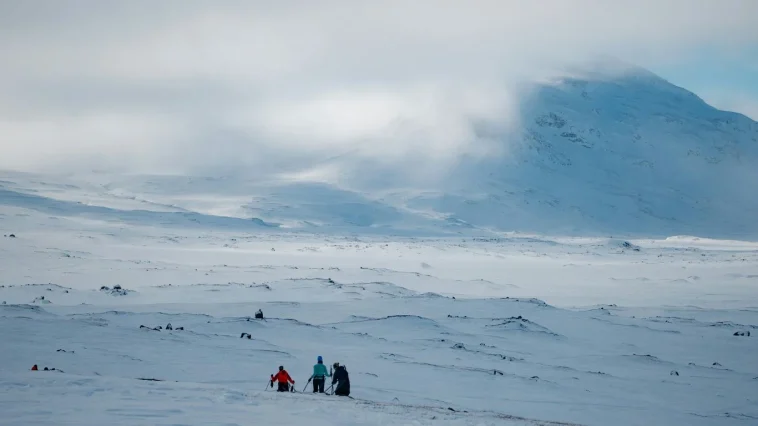
Traveling to the North Pole, one of the most remote and inhospitable places on Earth, has long been a dream for adventurous explorers and curious travelers alike. But is it legal to travel to the North Pole? The answer is complex, as the area is governed by international laws, environmental regulations, and the logistical challenges of reaching such a far-flung destination. In this detailed guide, we’ll explore the legal framework, the environmental considerations, the best time to travel, and much more.
Legal Framework and International Regulations
Traveling to the North Pole is not as straightforward as booking a flight to any other destination. The region falls within the Arctic, specifically the Geographical North Pole, and is subject to international treaties, environmental laws, and governance by several countries.
The Absence of Governing Laws
The North Pole lies in the middle of the Arctic Ocean and is not owned by any single nation. Unlike the South Pole, which falls under the Antarctic Treaty System, the North Pole does not have a single governing framework. This lack of ownership means there are no overarching national regulations directly governing travel to the area. However, that doesn’t mean travelers can venture without regulation. Many of the polar expeditions and cruises operating in the region must adhere to international environmental agreements, as well as safety and security measures imposed by the nations that operate in the region, such as Russia, Canada, and Norway.
Impact of International Treaties
While no single treaty governs the North Pole, international agreements such as the Arctic Council, the United Nations Convention on the Law of the Sea (UNCLOS), and the Polar Code under the International Maritime Organization (IMO) set important guidelines for human activity in the Arctic region. These agreements emphasize conservation and limit the environmental impact of human activity in the area, which includes research fishing and scientific research expeditions.
Environmental Considerations
The North Pole is a delicate ecosystem, and environmental considerations are paramount for any expedition. The region is home to some of the most endangered species, including polar bears and emperor penguins. Even though penguins are native to the Antarctic Peninsula and not the Arctic, the impact of human activity on the broader polar ecosystem is of significant concern.
Conservation and Preservation Practices
Due to the Arctic’s fragility, conservation and preservation are key when planning a trip to the North Pole. International efforts to protect the polar ice and prevent further damage to the environment are supported by national governments and the scientific community. Arctic Cruises and expedition vessels often follow strict environmental guidelines designed to minimize their impact on the local habitat, including regulated routes and waste disposal procedures.
Logistical Challenges
Reaching the North Pole is no simple feat, and there are numerous logistical challenges involved. One of the main issues is transportation. Unlike other destinations, there are no commercial flights directly to the North Pole. Instead, travelers must rely on specialized transportation methods, including icebreaker ships, polar expedition vessels, and light aircraft flights.
Specialized Transportation Methods
To traverse the icy waters, icebreaker ships with ice-strengthened hulls are typically used. These vessels, such as the Russian icebreakers, are specifically designed to cut through thick sea ice. Some expeditions also use expedition ships or chartered flights to reach Barneo Base Camp, a temporary Arctic research station that acts as a launching pad for expeditions to the North Pole.
Accessibility and Costs
Due to the extreme conditions, accessibility to the North Pole is limited. Polar route cruises or North Pole Cruises typically cost thousands of dollars per person. Costs depend on the type of expedition ship, Russian icebreakers, and the length of the trip. North Pole Race events also bring additional interest, offering travelers the chance to reach the top of the world in a competitive setting, further raising the cost.
Best Time to Travel
The best time to travel to the North Pole is during the summer months when the midnight sun prevails, providing 24 hours of daylight. Climate and weather conditions during the winter months are extremely harsh, with temperatures dropping far below freezing and ice floes creating dangerous travel conditions.
Climate and Weather Conditions
The Arctic Ocean surrounding the North Pole is constantly covered by ice floes, making winter expeditions hazardous. The best time for a visit is from late March to late May when the ice is more stable, and the sun never sets. During this period, expeditions can experience the full splendor of the polar environment under the midnight sun.
Seasonal Activities and Sightings
Travelers to the North Pole can look forward to extraordinary sights such as polar bear denning, polar bear cubs, and ice floes drifting across the sea. The region also offers the unique opportunity to experience the wonders of scientific research, and visitors often join researchers in expedition teams on special research fishing or animal conservation missions.
Also Know: Is It Safe to Travel to Brazil?
Preparing for a North Pole Expedition
Preparing for a North Pole expedition requires careful planning, especially when it comes to permits, safety measures, and equipment.
Required Permits and Documentation
Travelers must apply for an expedition permit through the Expedition Permit Application Form before setting out on any polar adventure. This process involves providing details about the expedition’s goals and the logistical methods used. Often, Arctic vessels and expedition ships will handle these formalities on behalf of passengers, ensuring they comply with regulations.
Safety Measures and Equipment Needed
Due to the harsh environment, safety measures are crucial. Essential equipment includes thermal clothing, specialized footwear, GPS trackers, and emergency survival kits. Many expeditions are led by experienced polar crew members, ensuring that safety procedures are followed. For those opting for light aircraft flights, special precautions must be taken due to the unpredictable jet stream and other aerial safety risks.
Checkout: Is Haiti Safe to Travel?
Types of Expeditions
There are several types of expeditions to the North Pole, each offering a different experience.
Icebreaker Cruises
Icebreaker cruises are the most popular method of reaching the North Pole, offering a luxurious and comfortable journey while navigating the icy waters. These cruises are often operated by companies specializing in Arctic Evolution and provide a unique, immersive experience.
Chartered Flights
Some expeditions opt for chartered flights directly to the North Pole, often in Russian icebreakers or planes like Kenn Borek Air. These flights typically land at Barneo Base Camp, from where adventurers can travel to the pole itself.
Read More: Is Greece Safe to Travel To?
What to Expect at the North Pole
The North Pole is a land of extreme beauty and fascinating phenomena.
Unique Attractions and Natural Phenomena
At the Magnetic North Pole, travelers can experience the awe-inspiring sight of the Earth’s axis and the true north—the point where all lines of longitude converge. The region also offers an opportunity to witness some of the most extraordinary wildlife on Earth, including polar bears, emperor penguin chicks, and a variety of migratory birds.
Cultural Aspects and Historical Sites
While there are no permanent settlements at the North Pole, Barneo Base Camp is a significant landmark for scientific research. Visitors often learn about the historical expeditions that shaped Arctic exploration, including the first successful missions to reach the North Pole and the legacy of pioneers like Sylvia Earle.
More About: Is Egypt Safe to Travel?
Final Thoughts
A trip to the North Pole is a once-in-a-lifetime experience, but it requires careful planning and consideration of the legal framework, environmental practices, and logistical challenges. With the proper permits, specialized transportation, and knowledge of the region’s unique natural phenomena, travelers can safely explore one of the most extraordinary places on Earth.
Resources for Planning Your Trip
If you’re ready to take the plunge into this extraordinary adventure, be sure to consult reliable sources for expedition details, permits, and environmental guidelines. Check out Expeditions Online, National Geographic Resolution, and Arctic Cruises for further information about booking your own North Pole Cruises or planning your North Pole Adventures.
FAQs
While there is no single governing law for travel to the Geographical North Pole, it is regulated by international treaties like the Arctic Council and the United Nations Convention on the Law of the Sea (UNCLOS). Travelers must adhere to environmental regulations and apply for expedition permits before embarking on a North Pole cruise or expedition ship journey.
Travel to the North Pole typically involves specialized transportation methods such as icebreaker ships, polar expedition vessels, and light aircraft flights. These Arctic vessels are equipped with ice-strengthened hulls to navigate the polar ice and reach locations like Barneo Base Camp.
The best time to visit the Magnetic North Pole is during the midnight sun period, from late March to late May, when the Arctic Ocean is more navigable and temperatures are less extreme. The summer months also provide the opportunity to witness seasonal activities such as polar bear denning and the sighting of polar bear cubs.
The North Pole is home to some of the world’s most iconic species, including polar bears, polar bear denning, and emperor penguins (though the latter are native to the Antarctic Peninsula). Travelers can also observe emperor penguin chicks and other Arctic wildlife during their Arctic Cruises or expedition trips.
Before embarking on a polar expedition, travelers must secure required permits and complete the Expedition Permit Application Form. Essential equipment includes thermal clothing, specialized footwear, and emergency survival kits. It’s also crucial to understand the safety measures needed for expeditions involving Russian icebreakers, Arctic vessels, or overland trips.



Pingback:Is Egypt Safe to Travel? | Safety Tips, Health, and Cultural Insights
Pingback:Do Filipinos Need a Visa to Travel to Europe? | Schengen Guide